The Copper
Canyon, or Baranca del Cobre, is actually a network of nearly a score
of connected canyons formed by a half dozen different rivers. At more
than
triple its volume, it dwarfs the size
of our own Grand Canyon. It is home to one of Mexico's largest
remaining pure indigenous
peoples the Rarámuri. Although the land these famed long
distance runners call home is some of the most remote and inaccessible
in all of Mexico, they are threatened on all sides by groups as diverse
as forestry and mining developers, drug traffickers, and of course
tourists. Here are a handful more images.
|
|
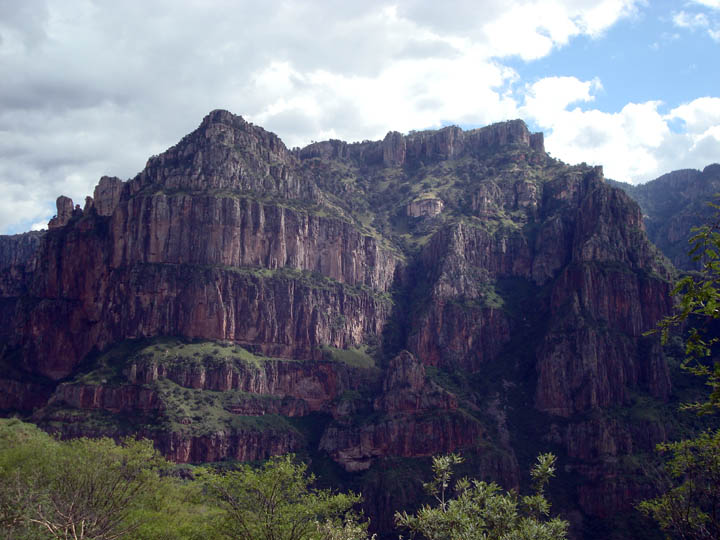
A view of the
Baranca just as we begin our descent.
|
|
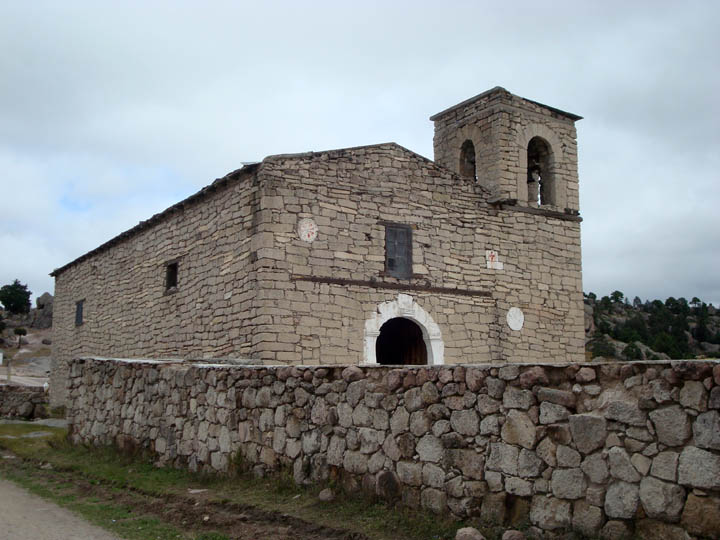
The tiny
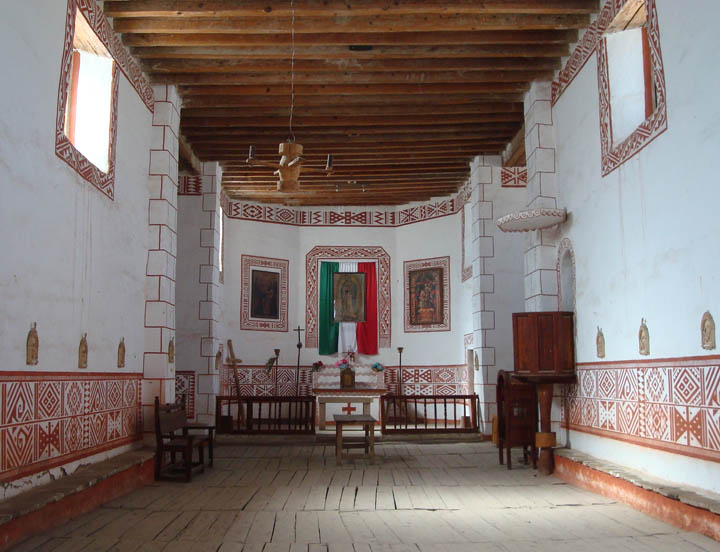
Misión Santos Cinco Señores church at the village of
Cusárare that has been preserved by a priest who has founded the
Loyola Museum here dedicated to the preservation of a vast treasury of
religious art found in this state's many remote missions.
|
|
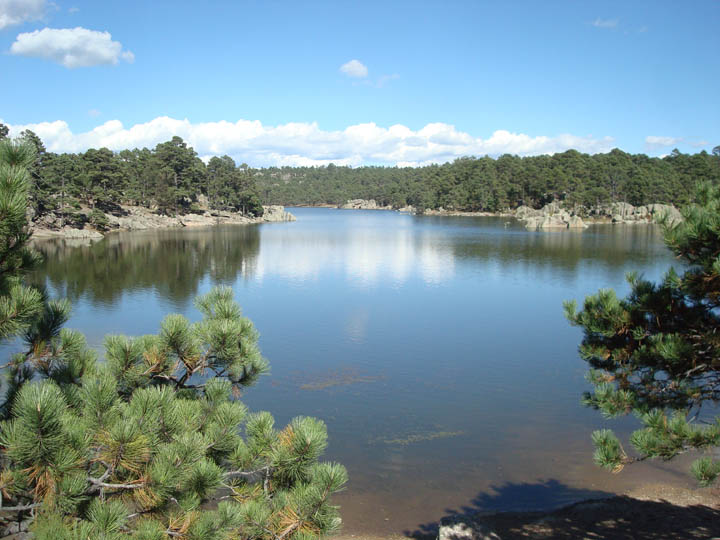
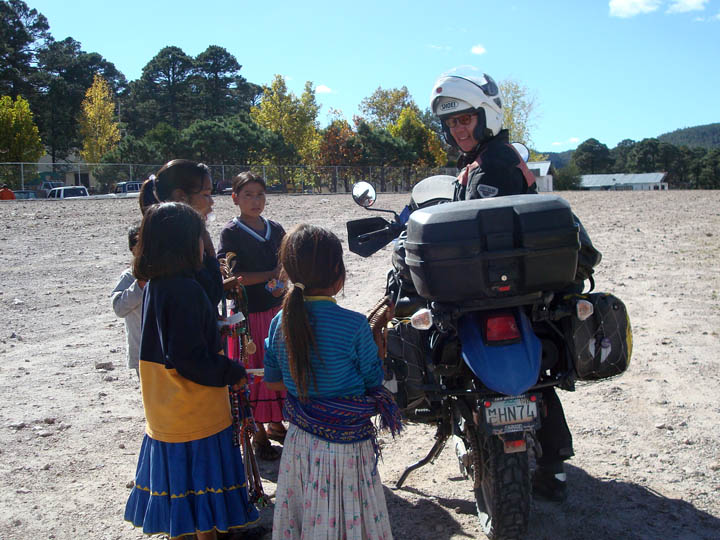
Lake
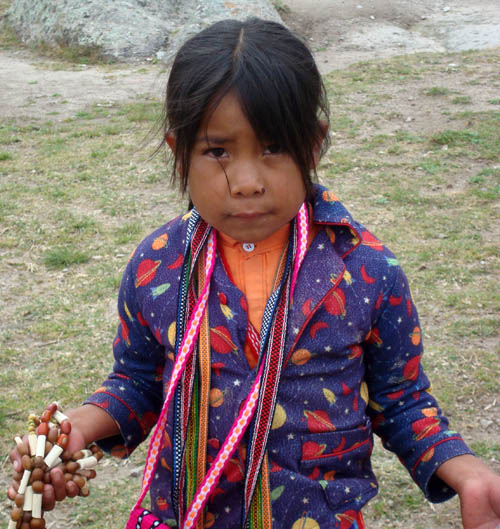
Arareko near Creel. While I snap photos, young salespeople (below) zero
in on their mark.
|
|
|
Some are harder
to resist than others.
|
|
Also
just outside of Creel near the Valle de las Ranas is tiny Misión
San Ignacio.
|
|
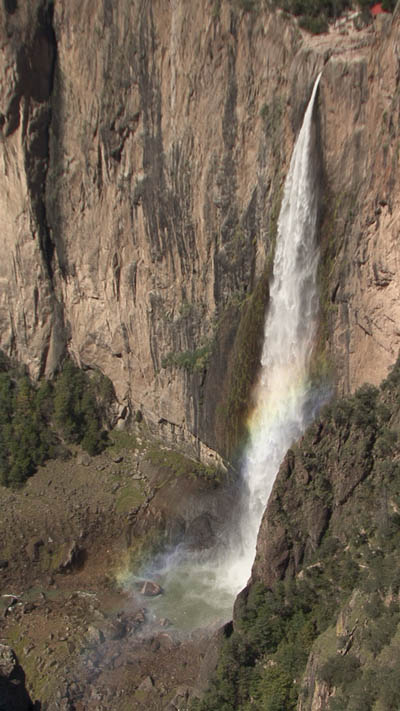
Cascada
Basaseachi is around 140 kilometers northwest of Creel. Now, all but
around 30 kilometers of the road there are paved. This classic view of
the falls is taken from about a mile away across the canyon. It is
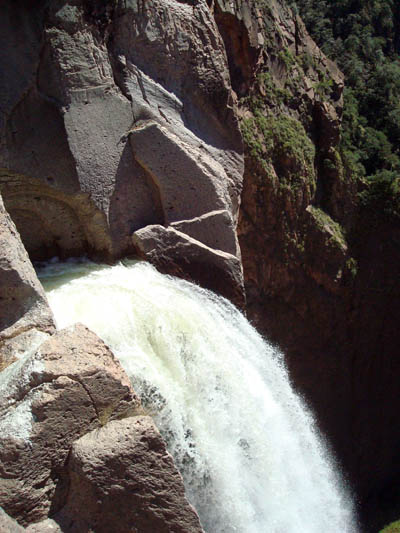
about 15 kilometers by road to the other side, where you can park and
walk 800 meters in to the very spot where the water goes over (below
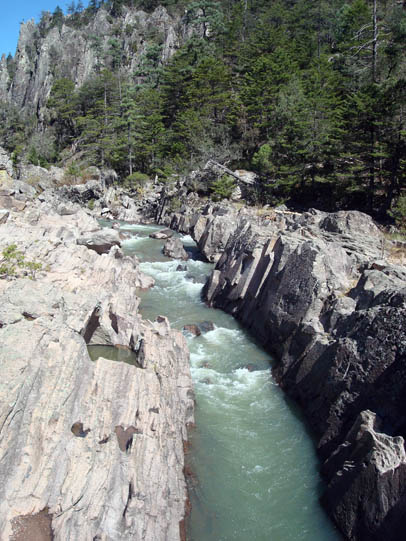
left). Below right, you can see how the water has sculpted the rock on
its approach, and how high the water must be following the rainy season.
|
|
|
|
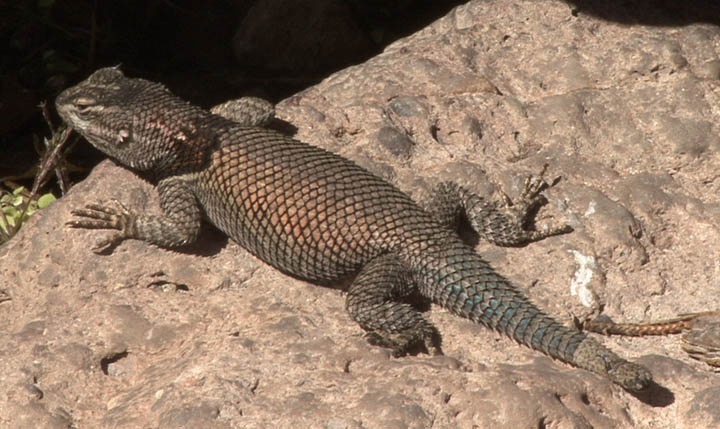
A
local resident sits inches away from the drop-off wondering what all of
the fuss is about.
|

|

|
|
|

|